Showing posts with label Revena. Show all posts

Tuesday, January 18, 2022

The Heart of Winter


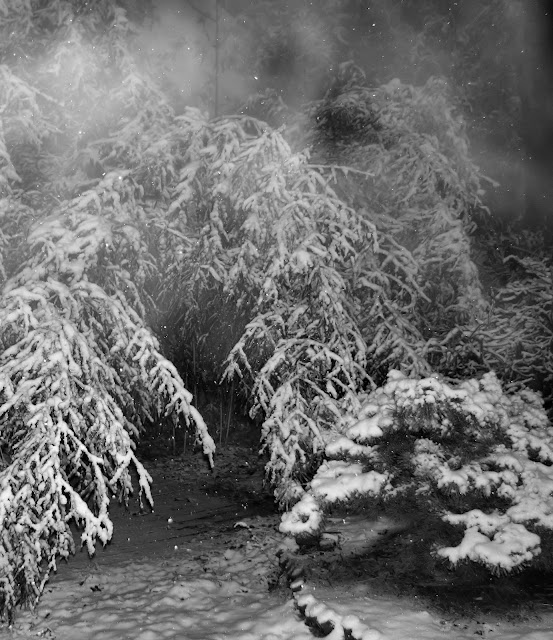
In the Northern Hemisphere, January was synonymous with the fallow field before the coming of spring. A time of rest and rejuvenation before all living things expended considerable energy in growth and rebirth.


While we think of winters in Medieval Europe as frozen and unbearable, in 900 AD, they were often mild compared to the Little Ice Age that began in the 1300s when the Baltic Sea froze twice, and many cities held fairs on frozen rivers. By comparison, during Revena’s lifetime, Iceland was colonized because the weather allowed easier access.


There was always work to do, whether serf or sovereign. 


Daily life involved plenty of physical labor, such as gathering wood for the constant fires needed to stay warm and caring for the animals that kept everyone alive—homes needed repair, as did clothing. The continuous need for agricultural labor decreased for this brief time before fields required turning.


For a moon’s span, there was time to relax, tell stories by the hearth, and even play games.


Revena and the people in her world were fond of dice and anything involving gambling. The church and government would begin instituting laws to curb rampant betting in the next century.


They enjoyed snowball fights, skating using blades of bone, and just enjoying the purity of the scenery, as captured by the art of the time.


Indoors, they played board games. To find out the name and rules for one of the most popular across all levels of society, sign up for Nessa’s News by putting your email address in the subscribe form on the tab/page above called Subscribe.


I promise never to sell or give away your contact info.


You will never get more than one email a month from me.


Nessa’s News will contain content you won’t get from any other of my online postings in less than 500 words.


Spells, crafts, designs, updates, and tips for living in the past, all related to my books and stories. 

If you are on your phone and don’t see the subscribe form, you can SUBSCRIBE HERE.

Wednesday, November 24, 2021

A Rafter of Turkeys - Happy Thanksgiving

charlie the attack turkey 20061122

 A group of turkeys is called a rafter because they like to roost in building rafters if they can find them. Otherwise, they will fly up into tree branches at night to sleep in safety.

Wild turkeys are native to North America. The Spanish brought them to Europe in 1519, so REVENA would not have had turkey on her dinner table. She would have chicken, partridge, geese, duck, and pheasant.

What might be the menu of one of REVENA's holiday meals? 

Menu items: pickled vegetables, cabbage chowder, creamed fish, roasted venison, mushroom pasties, mutton stew, haddock in brown ale, cherry, plum, and pear compote, custard tarts and pudding, and mulled wine. And bread.

You can find the recipes for these medieval foods on The British Museum's blog or check out Castle Life - Medieval Food & Cooking.

Here are the members of my rafter from oldest to most recent. This year's version is at the bottom.


turkey soylent green 20071122

turkey tail_thumb 20091123

turkey color 20091125

turkey relax 20101125

turkey glove 20131127

turkey nekked 20131128

turkey race 20171023

turkey parade rest inflated 20171122

turkey run forrest run 20171123

turkey dressed for the kill 20171123

turkey visitor 20180320


turkey collage 20181122

turkey cock of the walk 20191128

turkey zendangle 20201126

turkey purple nurple 20211124

Wednesday, March 20, 2019

Welcome, Sunshine


Revena lives in 10th century Bavaria. It's the first day of Spring. It's the start of the year. Cured meats and foods in brine and vinegar wearies her and her people. The people look forward to fresh fruits and vegetables and any meat that isn't tough and full of salt. They yearn for the light.

Ausṓs, the Queen of the Dawn, is the central figure of their celebrations. The Goddess represents the rebirth of the Sun and all new growth and motherhood. Her essence shows itself in the crocuses peeking through the brown Earth. Buds on the beech trees, the birth of lambs, and the mating of birds burst in unabashed joy.

On the last day of the last Winter full moon, they extinguish all fires, candles and lamps. When She stands high above, the land's people gather around a huge stack of dried wood and animal bones. The bonfire is lit, the blaze shooting into the dark sky, the tips of the flames reaching for the orb of night. Musicians from all castes bring out their instruments, playing lutes, bagpipes, cymbals, drums, tambourines, and harps. Rambunctious tunes fill the air. Everyone dances around the fire, lighting new torches to take home and restart the fires in their hearths.

The next day, each person rises before the Sun. They bathe in streams, rivers, ponds, and lakes, and wash off the dark and the specter death. They emerge from the waters, naked, reborn, face East, and rejoice as the light bursts above the horizon. Wrapping in warm blankets and running home, they don new linen or hemp cloth undergarments. These were sewn during the enclosed days. The men put on fresh tunics, braies, and long, fitted socks. Women dress in long, shapeless smocks with stockings. Revena wears a chemise of silk.

The Full Moon rests from her labors. The growing and maturing Sun warms the air. Winter is over. Spring has sprung. People spend most of the day out of doors.


Children start seeds in wickerwork to follow the sunshine around the castle grounds and build wattle fences around raised planting beds. These keep animals away from sprouting flowers, herbs, and vegetables.

The entire population works in gardens and fields, tilling and weeding. In the early evening, all the workers come into the baily for a celebration, gathering around stools, benches, and tables set outside.

Revena begins the festivities with the following incantation,

“We have survived the long, dark night,
Welcome back the warmth of light,
Spring has come, a time of rebirth,
The quickening of our Mother Earth.
The sowing season has begun,
With the advent of the rising sun.
We cherish new life and new beginnings,
Reassuring us of the love of the gods.”

Boiled eggs dyed with beets, onion skins, and red cabbage fill baskets on the tables. Given as gifts, they represent new life and potential. The egg pecking game breaks out to great laughter, winner takes all.


Platters of sweet buns with cinnamon and dried currants pass around the crowd. New butter and soft cheeses from the lactating animals top the breads.

Revena ends the day by giving out packets of seeds. Grains go to the farmers and flowers and vegetables to the women with home gardens. Exhausted children and their tired parents trudge home smiles on their faces. 

Sunday, January 07, 2018

Keeping Warm in Revena's World

Revena lives in Castle House, built for battle and protection. It's made of the local Nagelfluh stone quarried from the glacial lakes created during various ice ages. A combination of limestone, sandstone, gneiss, amphibolite schist, dolerite and quartz, with a surface that looks like it's dotted with nail heads. It hardens upon contact with the air and resists deterioration, weathering and erosion. Buildings made with this material last for centuries and are perfect for resisting sieges and attacks.

Unfortunately, it makes for a cold and drafty living space, especially when located on a ridgeline surrounded by the rushing Salt River, fed by alpine snow melt, on the north and west and the High King mountain range (elevation 3,000 m) on the south and east. While the hilltop has been occupied for over 4,000 years by the time Revena was born in the year a.i. 883, (ab initio, from the beginning of the Principatus) the fortress was begun in a.i. 866, by her father, The Margrave.

To keep occupied and warm during the Winter months, Revena spends her time creating woolen clothing. She uses a technique, thousands of years old, called needle-binding or knotless-netting. Unlike knitting and crocheting which won't be invented for another 700 or 800 years, needle-binding is made using short lengths of yarn and one single-eyed, flat needle. This form of fabric making is used across the world. With this technique, Revena makes socks, mittens and scarves.

By layering clothing, indoors and on the rare occasions when she ventures out to get a bit of sun and to combat boredom, Revena keeps warm. She knows that covering feet, hands and head will prevent the chills and prevent cold weather ailments.

If you are interested in learning NÃ¥lebinding and working on a piece this month with me and Revena, here's a video tutorial to get you started.

Mittens, hat and scarf pictured above crocheted by vvk.